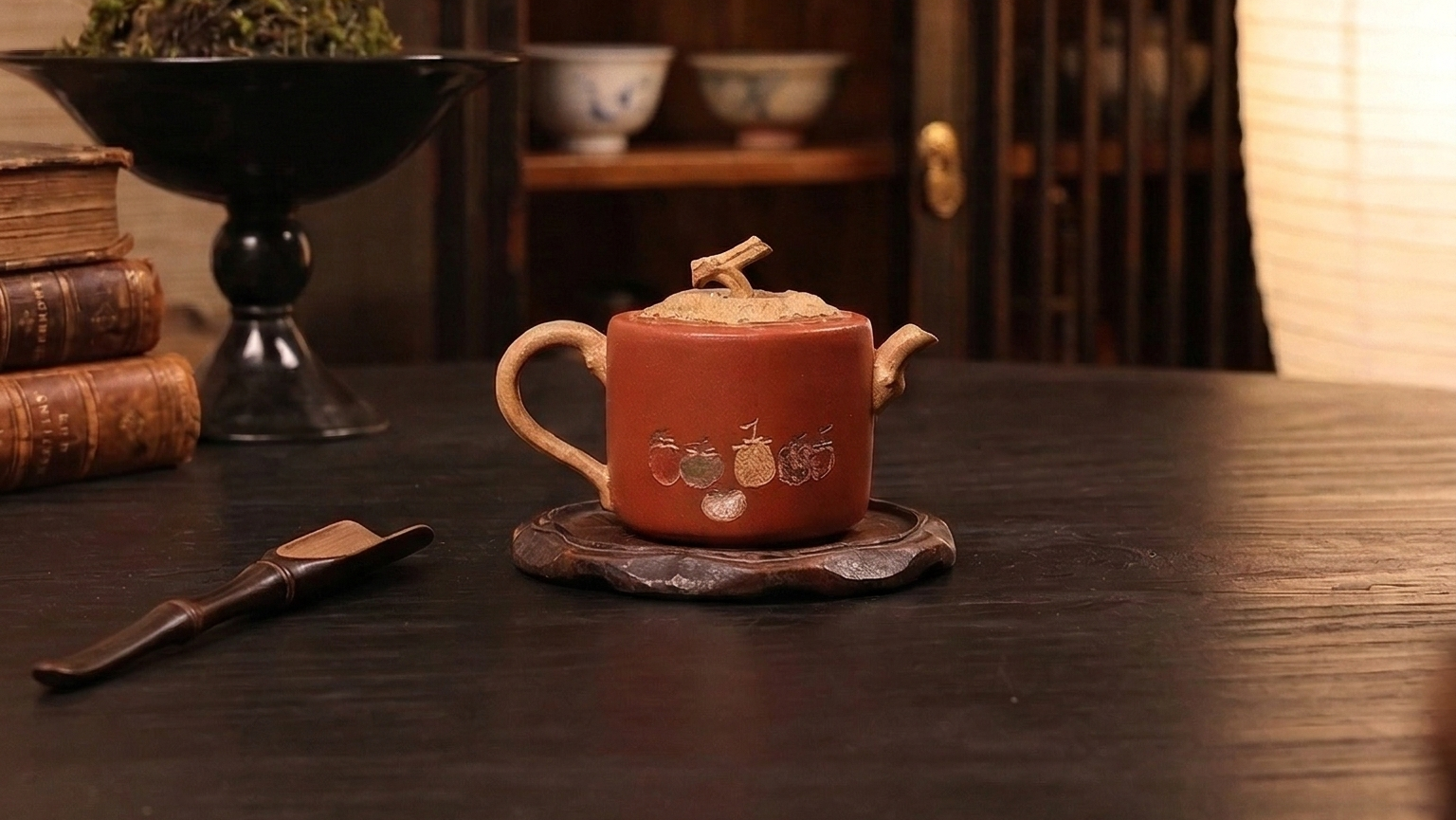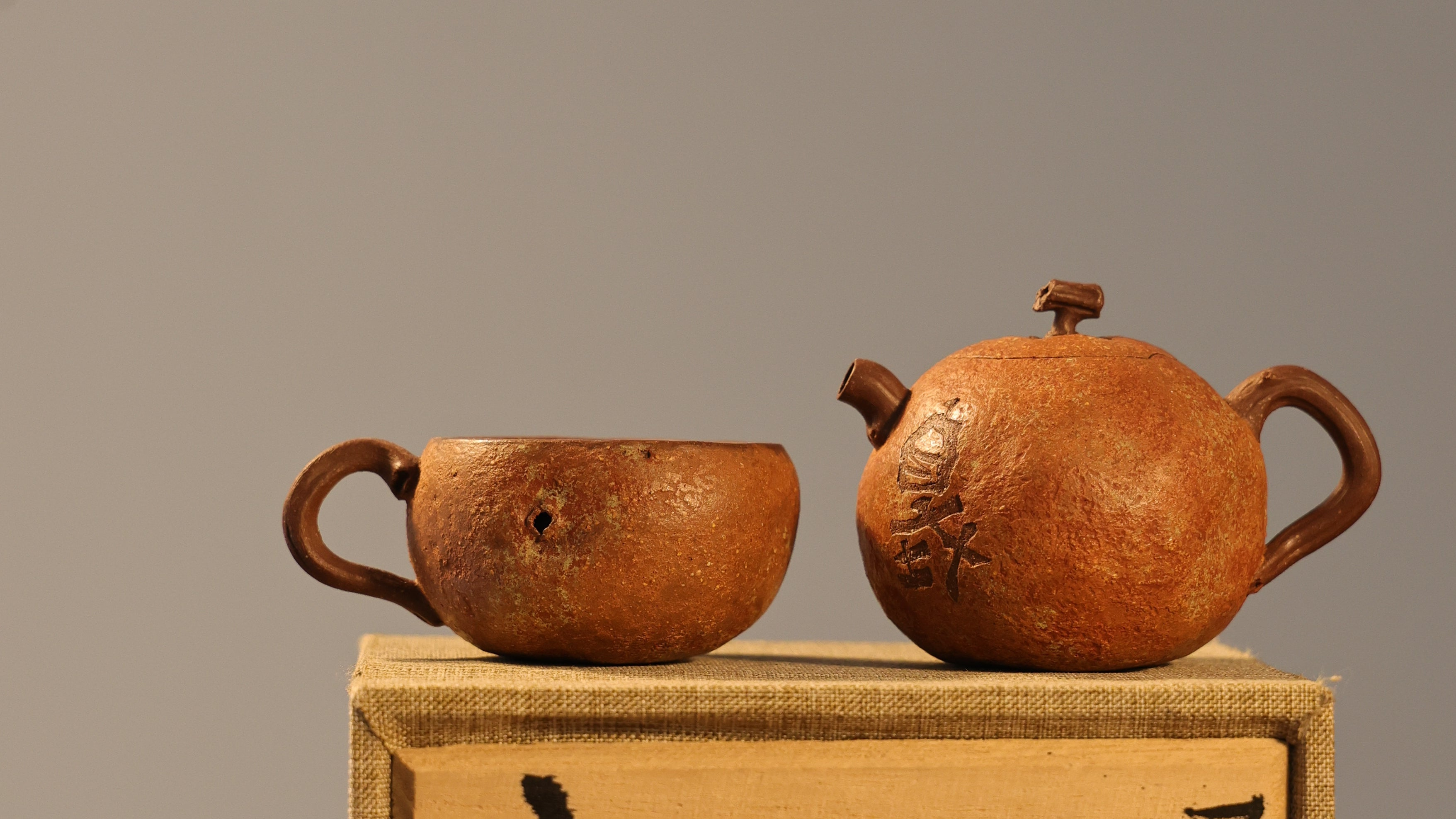
Continual background determines Eastern mugs for centuries,
Demonstrating uncommon aspects drawn inside regional plum substances, such pitchers compound a coating over application, improving aroma released from extracted liquids.
Acknowledging Yixing Mud: Complete Insights into Zisha
Various followers acknowledge the singular structure of Yixing mulberry clay, a cornerstone of traditional Chinese workmanship. Appearing from the Yixing region of Jiangsu province, this notable clay shows an delicate mineral arrangement, so that offers amazing qualities to the manufactured objects. Categories within Zisha, including Jiang Mud, Duan Ni Mud, and Jiang Xi Mud, each presents different hues, textures, and curation traits, determining the openness and the definitive bouquet enhancement of the infusion.
Chinese Urn Usages: Discovering Craftsmanship
Chinese teapots embody surpassing mere jars for beverage; they symbolize centuries of inherited craft. From the famous Yixing clay variations, respected for their porous nature which delivers unmatched tastes to the drink, to the precise porcelain from Jingdezhen, each piece expresses a history of craft. The fabrication process is an involved operation, often conveyed through generations of professionals. These specialists use time-honored procedures such as hand-building, throwing on wheels, and beautifying, demonstrating profound reverence for the clay and the craft itself. Think about the devotion invested in each piece as a symbol of Chinese tradition legacy.
- Eastern clay teapots: a distinguished choice.
- Refined china teapots: acclaimed as their fragile design.
- Shaping techniques: a challenging yet fruitful procedure.
Zisha Urn Maintenance: Sustaining Your Valuable Artifact
Suitable preservation of your notable Yixing Zisha vessel is paramount to preserving its integrity. Crafted from singular purple sand mud, these premium teapots build a warm patina after use, considerably boosting their allure. Prevent cleaning agents; a light rinse with lukewarm moisture is efficient. Never scalding water for maintenance the teapot, as it may damage its surface. Allow it to desiccate away from excessive solar rays. Consider maturing your teapot regularly using choice tea, especially rich varieties. Here is a brief overview:
- Wash over with softly heated liquid.
- Eschew cleansers.
- Give it to dry naturally.
- Condition with excellent tea.
Heritage of Yixing Teapots: From Modest Roots
The narrative of Yixing teapots initiates basically during the Zhao dynasty, estimated the 16th century. Initially, these containers were not the admired pieces they are understood currently. They were fashioned by local potters using the unique purple clay discovered solely in the Yixing vicinity. These early works were largely utilitarian, meant for regular employment and often modest in form. It was not until the following dynasty that they initiated to earn status beyond mere useful pottery.
Opting For the Proper Purple Pot: A Beginner's Guide
Venturing the territory of Yixing teapots can be difficult, but eschew hesitating! For first-timers, the fundamental factor is understanding the earth. Real Yixing clay is prized for its permeability, allowing the teapot to absorb the tea's flavor over time, heightening every creating session. Ponder the contour; traditional bulbous shapes prevail, yet personal preferences determine. Lastly, scrutinize the overlay—while some favor an unfired appearance, others enjoy a faint gloss. Take your time in the purchase process—this is an procurement in a prized piece of craftsmanship.
Native Clay Jars and Their Contribution on Chinese Beverage Legacy
Zisha jars, coming from Yixing, China, have profoundly shaped customary Chinese infusion culture. These Yixing clay teapots, prized for their identifiable tone, feel, and exceptional ability to impart a subtle note to the brew, serve as more than mere devices; they are appreciated works of art and symbols of greatness. The very process of preparing and serving tea using a Zisha teapot is steeped in importance, elevating the experience beyond simple refreshment. Centuries of artisans have enhanced their techniques, passed down through clans, resulting in highly desired pieces. Accordingly, Zisha teapots are frequently treasured, playing a crucial part in cultivating Sino appreciation for aesthetics and the process of elixir ceremonies.
- Signature Clay Composition
- Imparting Subtle Flavor
- Exquisite Craftsmanship
Identifying Verified Precious Local Vessels
Collecting a original Yixing teapot can be a beneficial experience, but the trade is often flooded with replicas. Discerning between a true antique and a up-to-date reproduction requires thorough inspection. Key markers include the clay's russet shade, often displaying patterned signs, and the lack of modern heating imprints. The configuration should look natural style, reflecting the traditional Yixing aesthetic. Finally, investigating the producer's stamp is necessary to verify certainty against known citations.
- Assess the clay's fabric.
- Look for blemishes, indicative of custom quality.
- Utilize an professional for assessment.
Committing to 宜兴 Earthenware: A Elaborate Guide to Pottery Recognition
The industry of Yixing Zisha wares grants a significant circumstance for discerning enthusiasts. Steadily, the valuation of these skilled artifacts is influenced by several conditions, such as the level of clay substance, the talent of the fabricator, the legacy significance, and, naturally, the present demand. Novices should emphasize on studying the multiple classes of Zisha clay—such as Frosted Water, Silent Urn, and Vermilion Dirt—and investigating the traits linked to each. Rigorous scrutiny of the craft's pattern, cast, and emblem is similarly necessary to make wise conclusions Yixing Zisha Teapot when investing.