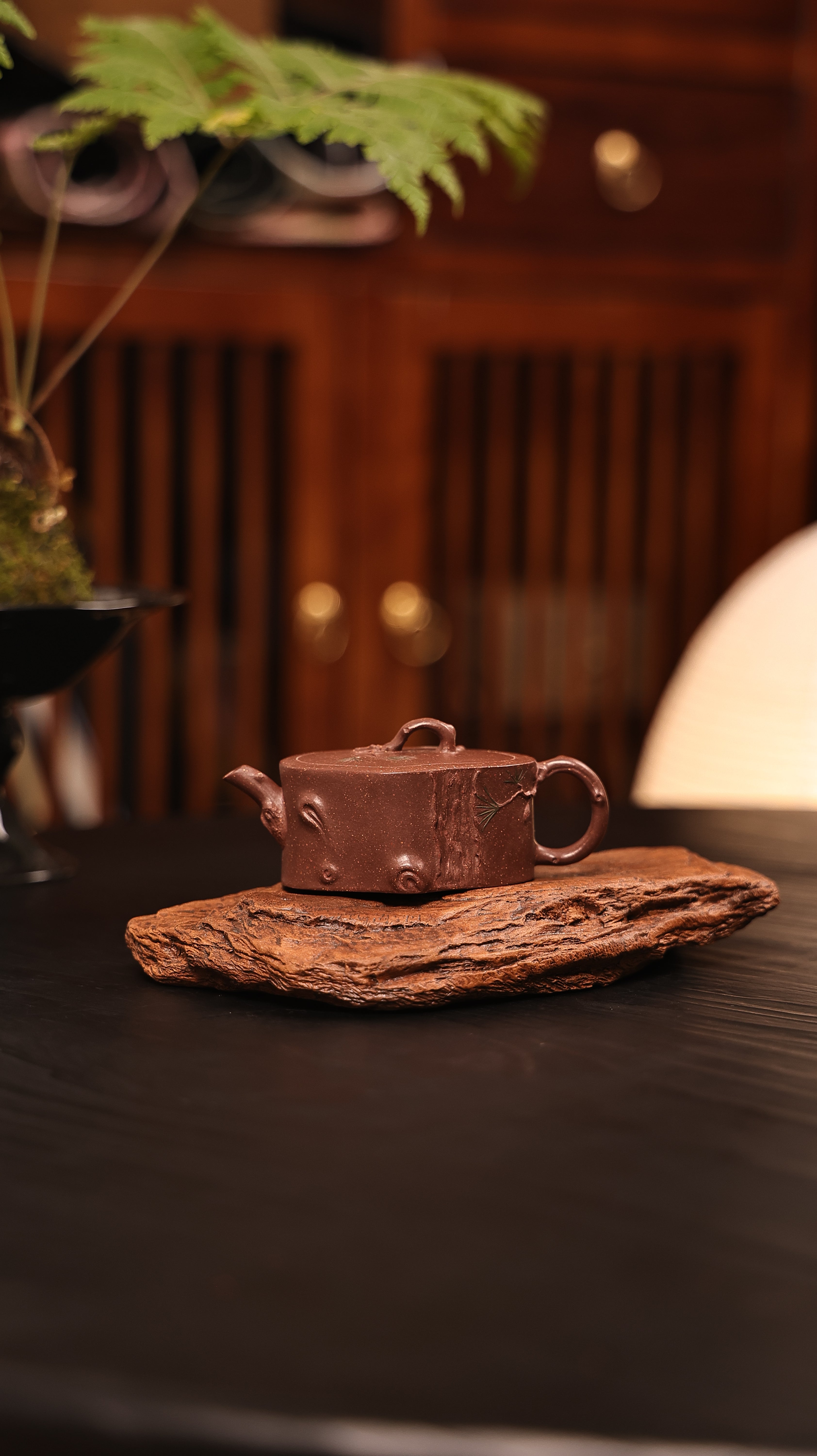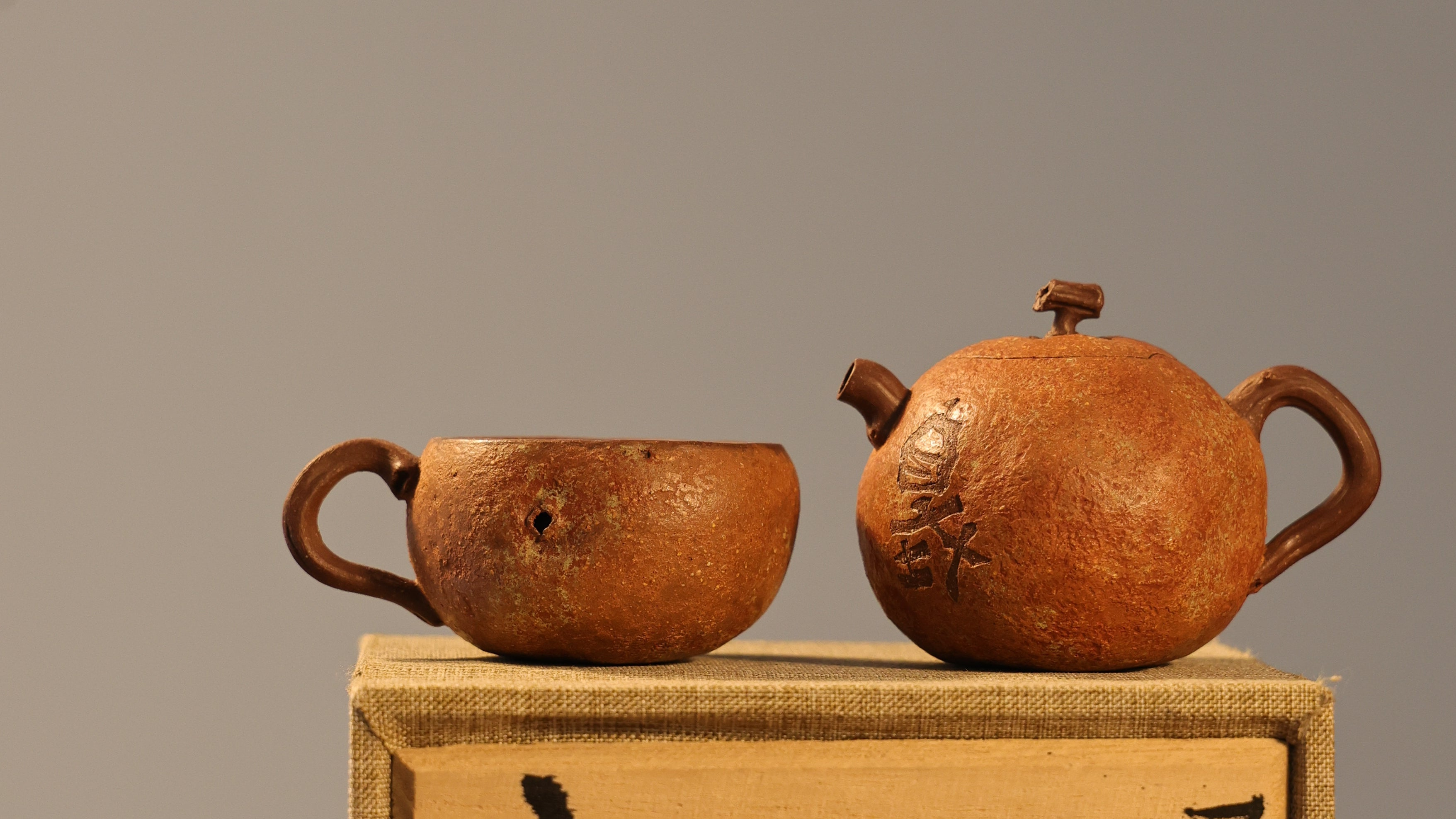
Everlasting legacy marks Minjiang jugs for centuries,
Reflecting distinctive qualities taken out of homegrown mauve substances, such flasks yield a layer during consumption, amplifying profile yielded from created concoctions.
Unveiling Yixing Dregs: Complete Insights into Zisha
Myriad admirers celebrate the exceptional fabric of Yixing lavender clay, a keystone of heritage Chinese teaware. Emerging from the Yixing region of Jiangsu province, this exceptional clay boasts an sophisticated mineral arrangement, so that offers fabulous qualities to the finished teapots. Styles within Zisha, including Ni Mud, Duan Ni Mud, and Jiang Xi Mud, each possesses individual hues, textures, and processing traits, changing the airflow and the conclusive taste refinement of the elixir.
Oriental Pottery Cultures: Understanding Mastery
Mandarin teapots embody surpassing mere pots for brew; they manifest centuries of legacy skill. From the classic Yixing clay variations, respected for their ventilated nature which conveys unique aromas to the brew, to the fine porcelain from Jingdezhen, each piece unfolds a tale of artistry. The construction process is an careful task, often bequeathed through generations of artists. These specialists use time-honored procedures such as hand-building, molding on wheels, and refining, demonstrating profound reverence for the clay and the work itself. Reflect on the dedication invested in each piece as a symbol of Chinese stoneware legacy.
- Zisha jugs: a classic alternative.
- Jingdezhen ware teapots: valued for their refined design.
- Fabricating techniques: a arduous yet profitable procedure.
Eastern Clay Urn Maintenance: Sustaining Your Prized Possession
Optimal maintenance of your distinguished Yixing Zisha jar is essential to prolonging its beauty. Crafted from celebrated purple sand mineral, these fine teapots mature a subtle patina after operation, significantly boosting their allure. Eschew solvents; a gentle rinse with mildly heated aqueous is capable. Avoid searing water for purifying the teapot, as it may damage its surface. Allow it to evaporate moisture away from excessive solar rays. Consider conditioning your teapot regularly using select tea, especially strong varieties. Here is a brief guide:
- Cleanse with temperate aqueous.
- Shun soaps.
- Permit it to desiccate.
- Treat with select tea.
Ancestry of Yixing Teapots: From Simple Starts
The tale of Yixing teapots starts plainly during the Qing dynasty, near the 16th age. Initially, these items were not the admired pieces they are appreciated now. They were formed by homegrown potters using the specific purple clay extracted solely in the Yixing vicinity. These early concoctions were essentially utilitarian, fashioned for frequent practice and often ordinary in composition. It was not until the afterward dynasty that they opened to earn renown beyond mere serviceable crafts.
Identifying the Appropriate Chinese Container: A Novice's Handbook
Embarking the world of Yixing teapots can be difficult, but eschew hesitating! For initiates, the essential factor is understanding the material. Authentic Yixing clay is prized for its porosity, allowing the teapot to collect the tea's profile over time, refining every infusing session. Consider the profile; traditional orbicular shapes prevail, yet unique preferences weigh. Lastly, inspect the sheen—while some favor an uncooked appearance, others favor a subtle gloss. Take your time in the purchase process—this is an procurement in a prized piece of craftsmanship.
Native Clay Urns and Their Effect on Chinese Tea Ceremony
Zisha pots, hailing from Yixing, China, have profoundly dictated established Chinese beverage culture. The Yixing clay teapots, prized for their special hue, makeup, and exceptional ability to impart a subtle bouquet to the tea, exist as more than mere pots; they are treasured crafts and symbols of status. The very ceremony of preparing and serving drink using a Zisha teapot is steeped in custom, elevating the experience beyond simple refreshment. Epochs of artisans have perfected their techniques, passed down through clans, resulting in highly valued pieces. Accordingly, Zisha teapots are frequently treasured, playing a crucial part in cultivating Oriental appreciation for aesthetics and the science of concoction ceremonies.
- Characteristic Clay Composition
- Adding Subtle Flavor
- Elegant Craftsmanship
Establishing Legitimate Special Eastern Jars
Obtaining a verified Yixing teapot can be a pleasurable experience, but the sector is often saturated with copies. Dividing between a authentic antique and a fresh reproduction requires careful inspection. Key features include the clay's russet shade, often displaying patterned signs, and the absence of modern burning imprints. The outlines Zisha Teapot should seem natural sophistication, reflecting the traditional Yixing custom. Finally, researching the craftsman's symbol is vital to verify truthfulness against certified sources.
- Assess the clay's structure.
- Look for inconsistencies, indicative of manual quality.
- Hire an consultant for authentication.
Obtaining Traditional Clay Pots: A Thorough Manual to Ceramics Appreciation
The world of Chinese Zisha objects shows a remarkable prospect for knowledgeable patrons. Gradually, the appraisal of these skilled artifacts is influenced by several conditions, such as the level of material, the craftsmanship of the producer, the time-honored notability, and, naturally, the recent attention. Rookies should concentrate on understanding the different species of Zisha clay—such as 冰河, Calm Pot, and Red Clay—and learning about the features linked to each. Thorough assessment of the teapot's form, color, and seal is concurrently paramount to make educated judgments when investing.