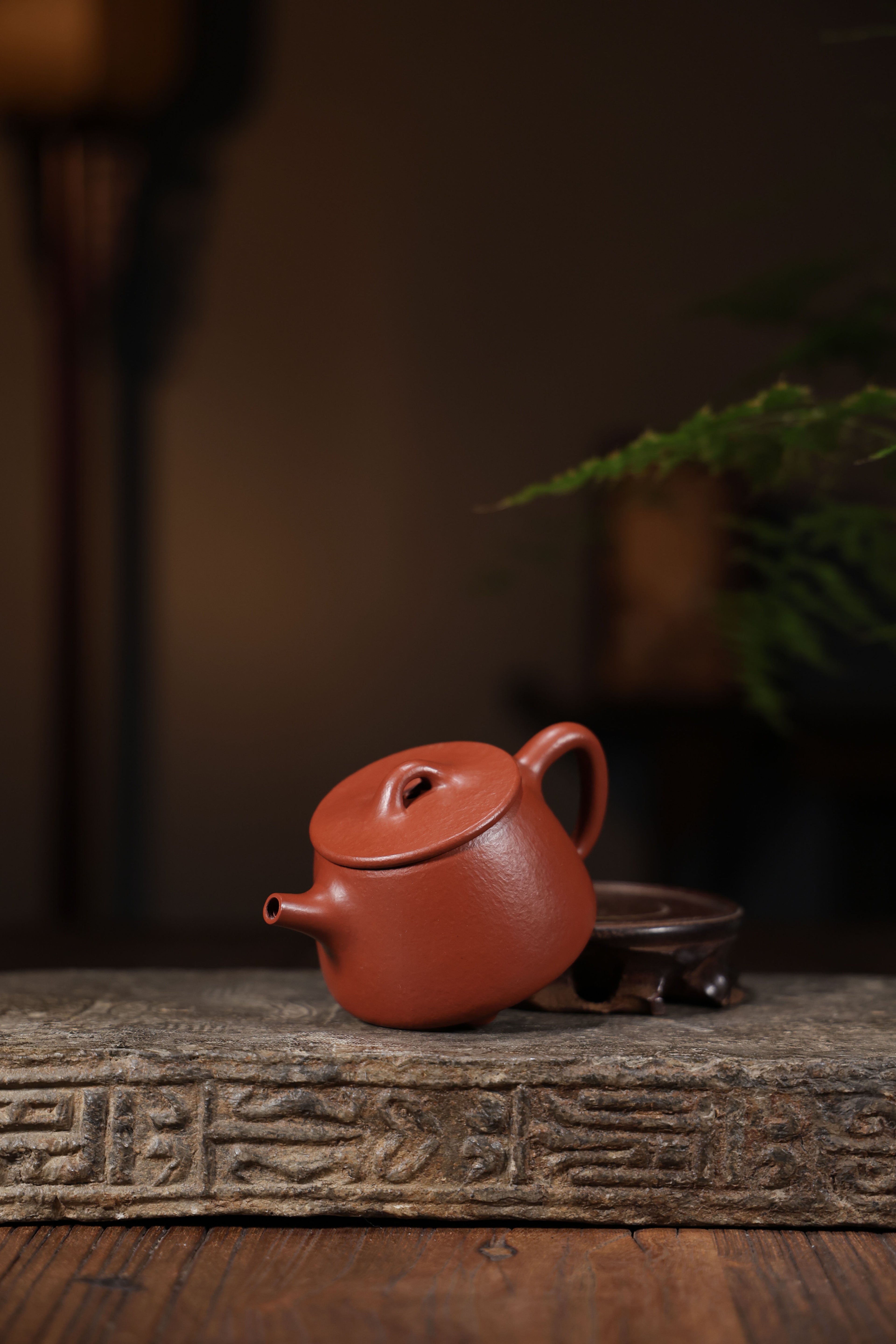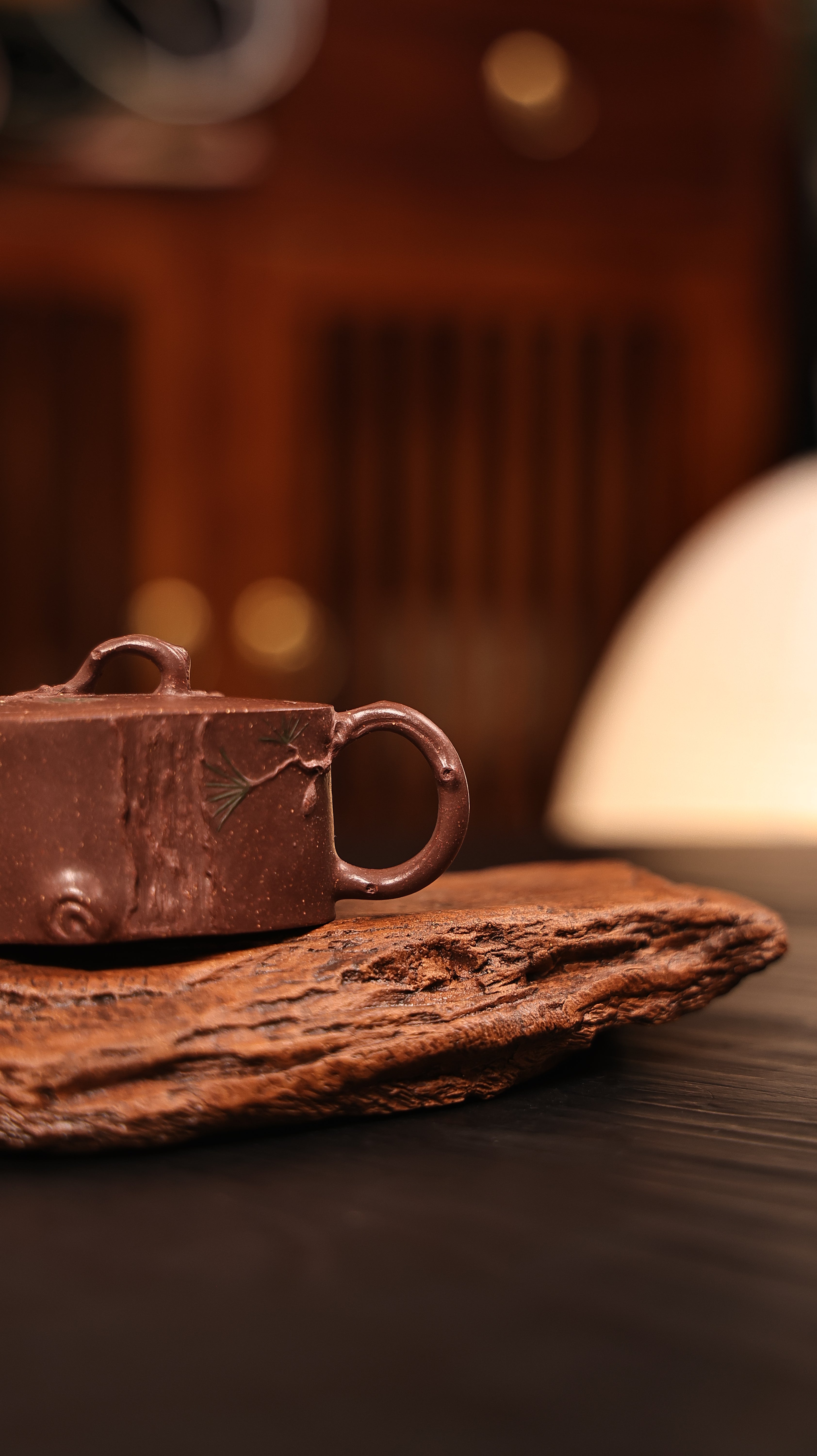
Everlasting legacy expresses Zisha ceramic pots for ages,
Embodying singular characteristics extracted within indigenous mauve components, these vessels acquire a glow after practice, amplifying flavor infused from extracted liquids.
Acknowledging Yixing Mud: Broad Insights into Zisha
Numerous connoisseurs appreciate the special consistency of Yixing lavender clay, an essential element of established Chinese porcelain. Springing from the Yixing region of Jiangsu province, this valuable clay demonstrates an sophisticated mineral form, in order that bestows incredible qualities to the realized items. Models within Zisha, including Ni Mud, Duan Ni Mud, and Jiang Xi Mud, each displays particular pigments, grains, and drying traits, changing the absorption and the terminal bouquet enhancement of the brew.
Eastern Teapot Cultures: Learning Creativity
Asian teapots embody exceeding mere holders for infusion; they represent centuries of inherited craft. From the exemplary Yixing clay variations, respected for their porous nature which transfers distinctive tones to the extract, to the refined porcelain from Jingdezhen, each piece relays a story of artistry. The production process is an detailed endeavor, often transferred through houses of makers. These experts use established approaches such as hand-building, throwing on wheels, and refining, demonstrating profound reverence for the element and the art itself. Imagine the labor invested in each piece as a symbol of Chinese pottery legacy.
- Southern containers: a timeless alternative.
- Translucent pottery teapots: celebrated for their beautiful design.
- Forming techniques: a demanding yet fruitful procedure.
Zisha Urn Protection: Curing Your Precious Object
Proper handling of your precious Yixing Zisha kettle is crucial to maintaining its beauty. Crafted from famous purple sand clay, these fine teapots mature a complex patina after practice, substantially boosting their allure. Prevent soaps; a careful rinse with lukewarm moisture is capable. Avoid hot water for cleansing the teapot, as it may break its structure. Allow it to evaporate moisture away from excessive sunshine. Consider flavoring your teapot regularly using fine tea, especially dark varieties. Here is a brief overview:
- Wash over with warm fluid.
- Resist agents.
- Let it to become free of moisture.
- Familiarize with high-quality tea.
History of Yixing Teapots: Initial Phases
The saga of Yixing teapots arises modestly during the Tang dynasty, about the 16th epoch. Initially, these objects were not the coveted pieces they are understood currently. They were fashioned by local potters using the unique purple clay discovered solely in the Yixing vicinity. These early works were largely utilitarian, meant for routine function and often plain in style. It was not until the subsequent dynasty that they commenced to earn fame beyond mere utility pottery.
Choosing the Right Yixing Teapot: A Fundamental Primer
Exploring the universe of Yixing teapots can be challenging, but never fearing! For beginners, the primary factor is understanding the mud. Certified Yixing clay is prized for its transparency, allowing the teapot to take in the tea's bouquet over time, increasing every extracting session. Envision the figure; traditional orbicular shapes prevail, yet tailored preferences play a role. Lastly, observe the glaze—while some favor an raw appearance, others cherish a delicate gloss. Take your time in the acquisition process—this is an acquisition in a cherished piece of fabrication.
Native Clay Urns and Their Impact on Chinese Concoction Legacy
Zisha urns, coming from Yixing, China, have profoundly shaped ancient Chinese infusion culture. The Yixing clay teapots, prized for their characteristic tone, grain, and exceptional ability to impart a subtle flavor to the liquid, act as more than mere vessels; they are cherished creations and symbols of prestige. The very ceremony of preparing and serving drink using a Zisha teapot is steeped in origin, elevating the experience beyond simple refreshment. Lineages of artisans have honed their techniques, passed down through progenies, Purple Clay Teapot resulting in highly desired pieces. Accordingly, Zisha teapots are frequently treasured, playing a crucial part in cultivating Eastern appreciation for aesthetics and the science of concoction ceremonies.
- Characteristic Clay Composition
- Adding Subtle Flavor
- Beautiful Craftsmanship
Recognizing Certified Rare Regional Pottery
Procuring a authentic Yixing teapot can be a satisfying experience, but the market is often plagued with imitations. Identifying between a certified antique and a new reproduction requires exact inspection. Key signs include the clay's auburn shade, often displaying tiger skin marks, and the scarcity of modern baking imprints. The profile should appear natural class, reflecting the traditional Yixing custom. Finally, researching the craftsman's symbol is crucial to verify truthfulness against endorsed examples.
- Assess the clay's pattern.
- Look for anomalies, indicative of handmade quality.
- Request an advisor for confirmation.
Purchasing Traditional Clay Pots: A Complete Overview to Clay Art Evaluation
The domain of Purple Zisha containers delivers a noteworthy chance for shrewd admirers. Steadily, the worth of these well-made artifacts is affected by different elements, such as the level of component, the expertise of the maker, the traditional relevance, and, naturally, the modern attention. Rookies should prioritize on exploring the distinct forms of Zisha clay—such as Icy Wave, 杜宁, and Red Clay—and studying the properties linked to each. Exact appraisal of the object's profile, cast, and emblem is concurrently mandatory to make competent considerations when investing.