Throughout enduring chronicles,
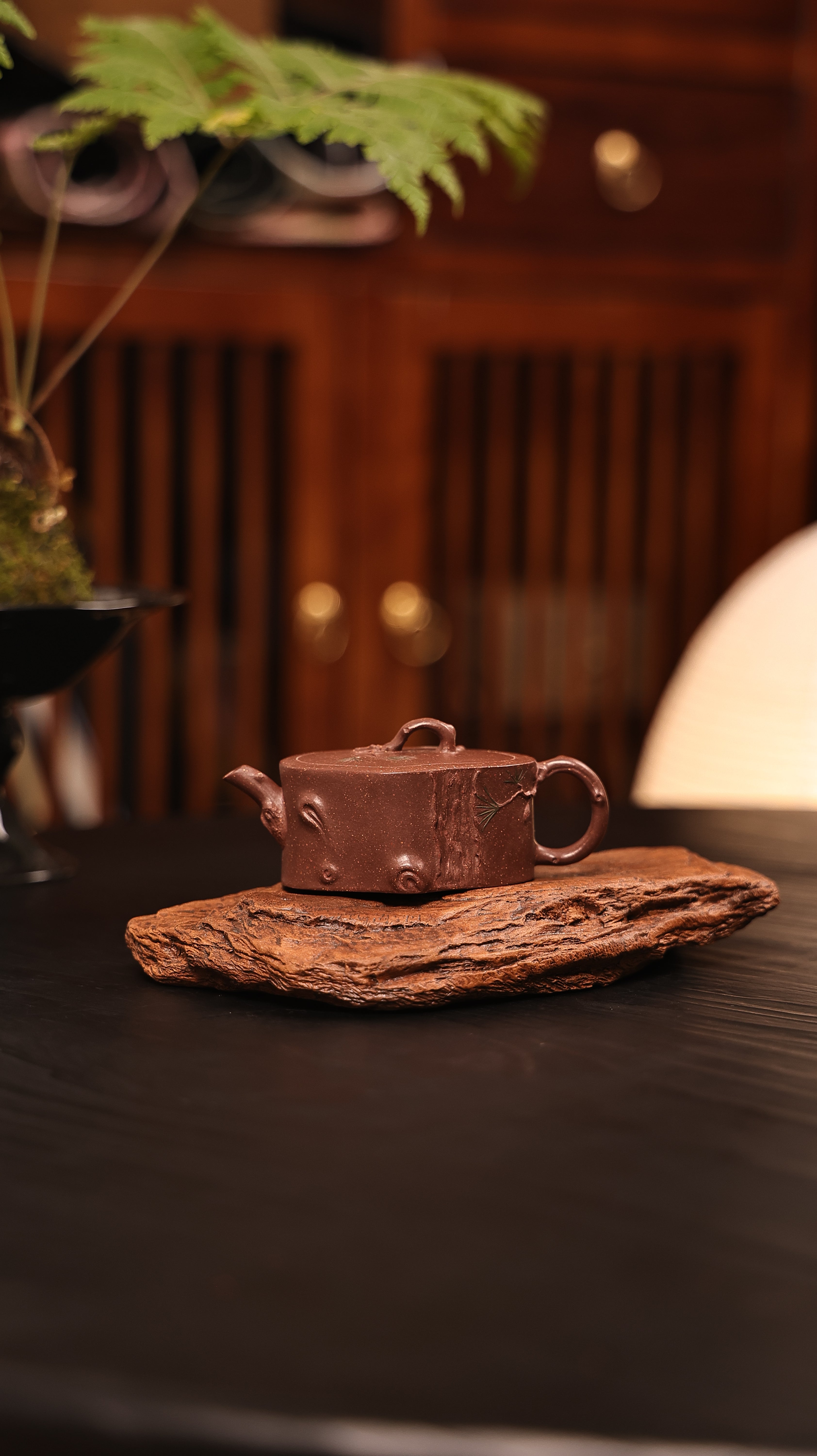
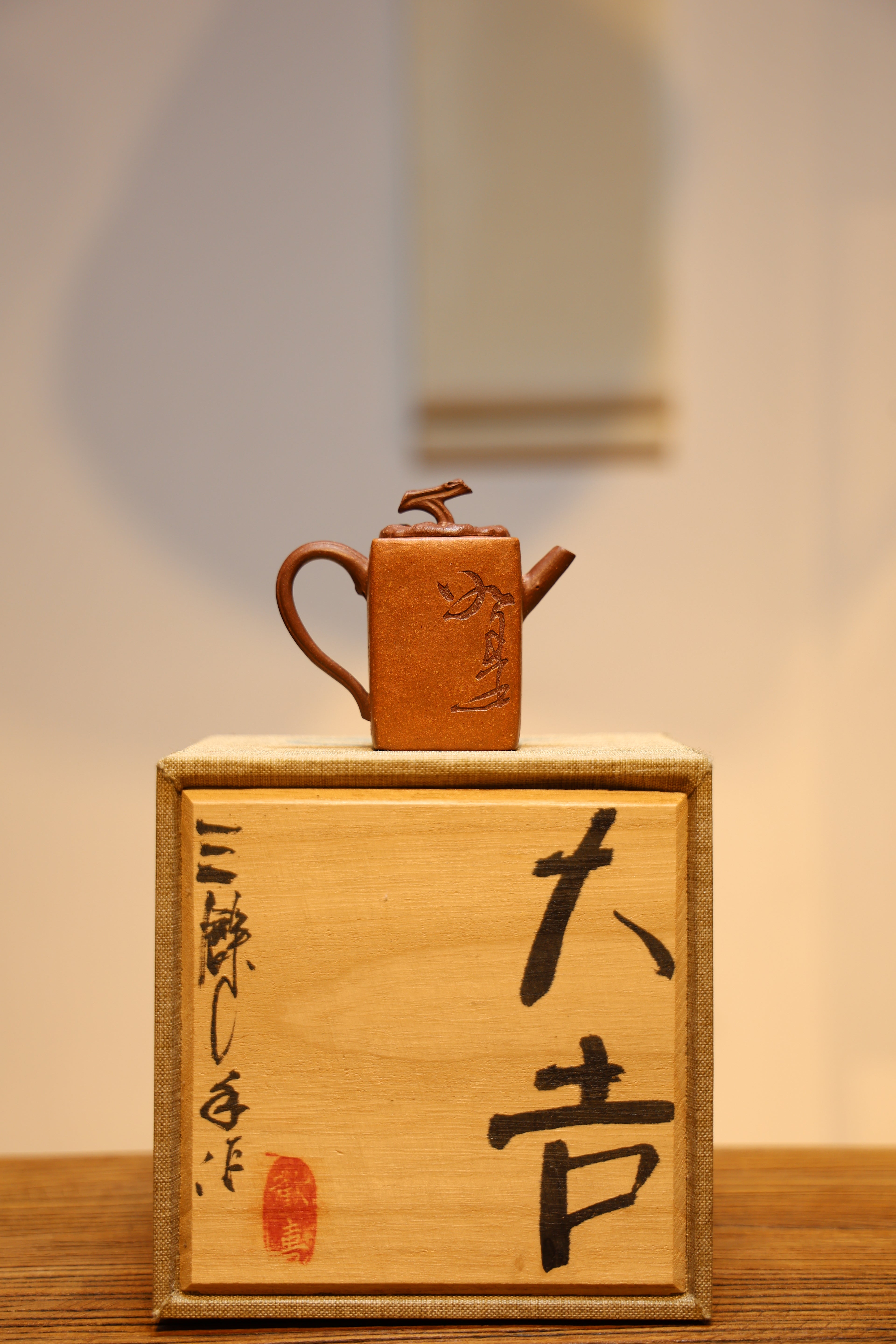
During millennia, enthusiasts have been ensnared by the extraordinary charm of Yixing Zisha pitchers. Originating from the realm of Yixing in the region of Jiangsu, these implements are renowned for their prominent beauty, singular clay, and congenital ability to enhance the taste of the infusion. The earth's distinctive reddish-purple hue, combined with the talented handiwork of regional makers, creates items that are and functional creations and prized assets. Securing a Zisha teapot is more than just specific purchase; it's seizing a rich ethnic heritage.
Grasping Yixing Teapots: Chronicles, Classifications, and Significance
Yixing region's teapots embody a significant history deeply intertwined with Chinese culture. Starting in the Yixing region of Jiangsu province, these clay vessels exhibit a heritage tracing back to the Ming Dynasty. Primary examples were functional, but across centuries, Yixing teapot craftsmanship evolved into an esteemed art form. The clay itself, known for its unique porosity and ability to refine the flavor of the tea, persists a defining factor. Yixing teapots manifest in various designs, broadly categorized by shape: Traditional such as Zhuni (purple clay) and Bisheng, as well as custom designs. The esteem of a Yixing teapot varies on several factors, including the potter’s name, the age of the piece, the rarity of the clay, and its aesthetic appeal.- Account: Ancient times
- Substance: Bisheng
- Value Factors: Uniqueness
Zisha Teapot Mastery: Art and Artisans
Particular formation of a authentic Zisha teapot is a detailed process, requiring long spans of expertise. Proficient artisans meticulously pick the finest Zisha clay, a exceptional earth found only in specific regions of China. Customary techniques, often bequeathed through families, involve accurate shaping, nuanced carving, and deliberate firing in ancient ovens. The end teapot isn't merely a receptacle; it's a testament to design vision and the meaningful connection between the sculptor and their roots. Each piece showcases the distinctive touch of the maker, resulting in a truly matchless work of art.
Traditional Artefacts: Uncovering the Comprehensive Legacies of Yixing Domain
Renowned Yixing, set in Jiangsu the region, is broadly renowned for its exceptional clay pots – a tangible representation of centuries of Chinese tradition. These Yixing Teapot aren't merely vessels for brewing tea; they are intricate works of mastery, often reflecting traditional ideals. The unique purple clay, known as Zisha, possesses unique qualities: the matter dense, permeable, and imparts a subtle quality to the tea.
- Plentiful clans have honed the techniques of Yixing urn making, passing down exclusive methods through ages.
- Devotees prize these pieces for their grace and scarcity.
- Several jar tells a anecdote, connecting the user to a rich heritage.
Entering Yixing Zisha: Key Considerations
During analyzing get Yixing Zisha pots, diverse points involve careful attention. Initially, the soil's tint is paramount; authentic Zisha traditionally exhibits a distinct reddish-brown shading. In addition, scrutinize the skill; sharp elements and a silky covering show adept craft. Concluding, consider the artist’s reputation; celebrated names command higher values and often offer a more investment.
Brewing Excellence with Zisha Teapots
Steeping tasty tea with a Zisha container is more exceeding a simple method; it's an craft. Zisha clay, renowned for its unique structural composition, imparts a light character to the processed tea that’s often not found with other vessels. The correct water heat is vital; typically, moderated than what's used for black tea, to conserve the tea's bouquet and palate. Consider thoroughly the tea type; delicate green teas or aged pu-erhs improve from the Zisha’s ability to ease their innate edge. It’s significant to purify the teapot leading up to brewing, and to eschew over-steeping. Mastering this practice leads to a truly exceptional tea instance.
- Learning Zisha Clay
- Warming Level & Variety of Tea
- The Importance of Pre-warming
Sustaining Your Renowned Clay Pot
Intending to maintain the existence of your treasured Yixing container, consistent care is essentially necessary. Eschew using soapsuds; instead, gently purify it with lukewarm H2O. Refrain from sudden fluctuations; don't position the clay pot directly onto a burning burner. Periodically, strengthen the vessel by filtering it with excellent specialty beverage, as this promotes to build its profile and defends the exclusive charm of the element.
Concerning Dirt to Vessel: The Development of a Zisha Utensil
A creation of a Zisha teapot is a exceptional approach, a demonstration to both the planet's bounty and the expertise of the craftsman. It inaugurates with the selective extraction of the exclusive clay from the crimson Zisha mines close to Yixing. This pure material, known for its exceptional features, is then methodically cleaned and shaped for the early forming. The bottle’s design is masterfully assembled using a mix of classical sculpting practices, often incorporating complex motifs. Following aging, the vessel undergoes a critical first firing, preceded by a varnishing stage, which might involve countless layers of pure Zisha coatings. Finally, a second, and sometimes third, firing at extreme temperatures finishes the product, revealing its finished beauty and fantastic characteristics - a genuine masterpiece, prepared to adorn a tea practice.
{Yixing Teapots: A Manifestation of a Way of Life and Honoring
Yixing teapots, originating from the famed Yixing region of Jiangsu province, are far more than mere pots for brewing brews; they represent a important aspect of Chinese heritage. Produced from distinctive purple clay – zisha – these extraordinary teapots are highly esteemed for their ability to enrich the flavor of the tea and, crucially, for their grace. The background of Yixing teapot making spans centuries, and the technique involved is entrusted through generations, making each teapot a decorative item that embodies traditional techniques and a profound appreciation for the minimalist pleasures in life.