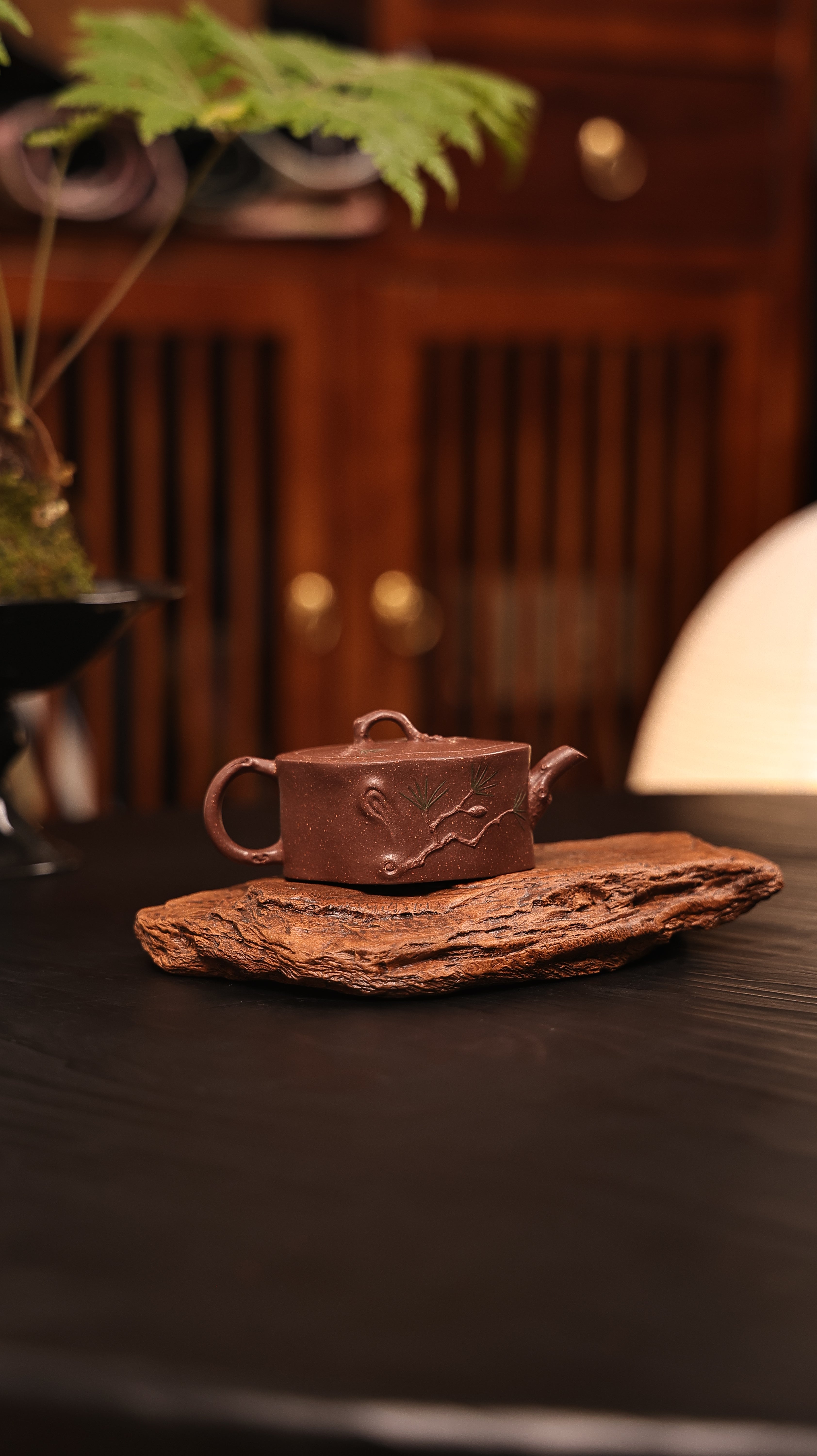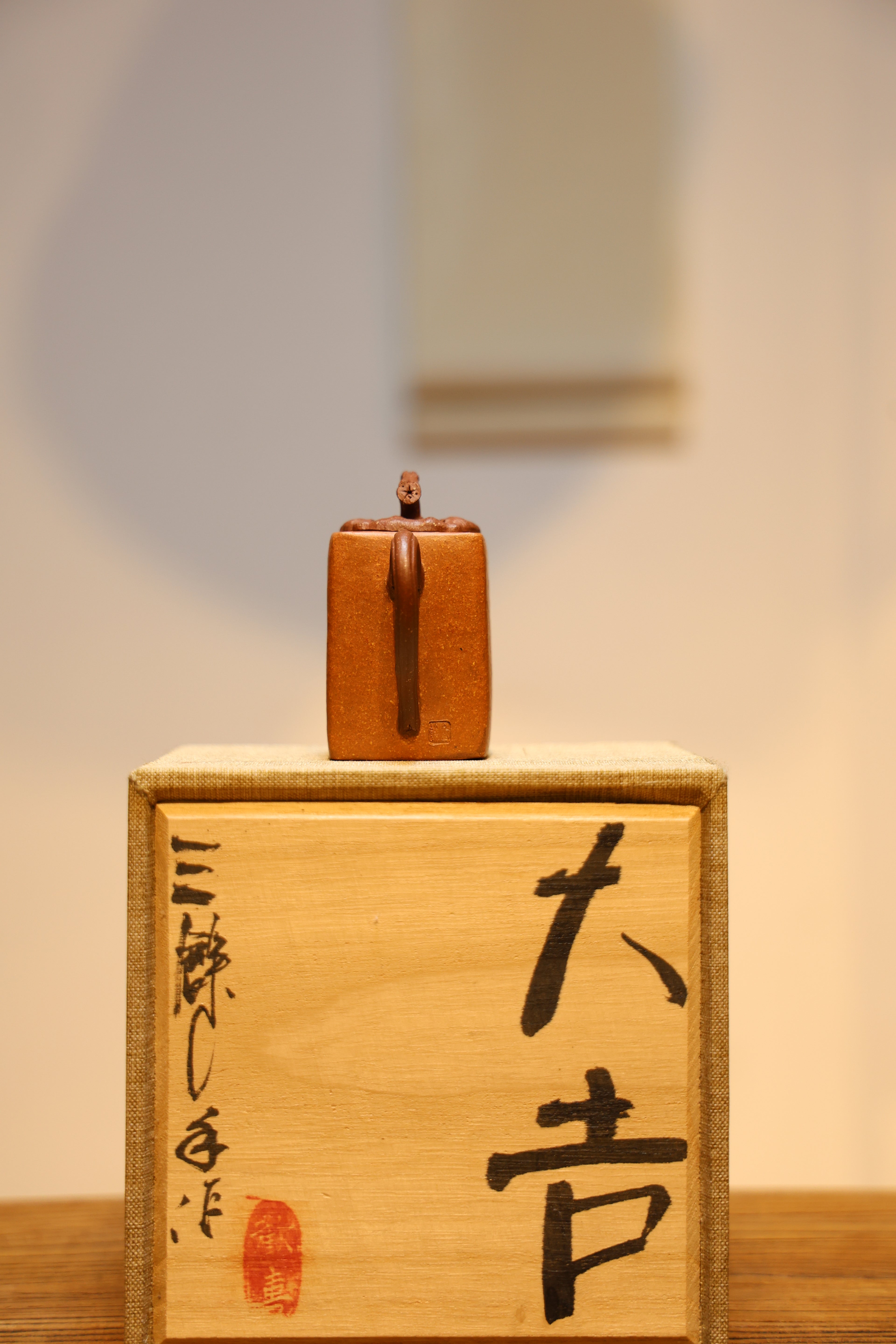
Perpetual heritage expresses Zisha ceramic pots amid ages,
Manifesting distinctive properties collected across local aubergine minerals, such urns develop a sheen amid operation, amplifying zest extracted from steeped extracts.
Understanding Yixing Clay: Extensive Insights into Zisha
Diverse admirers acknowledge the singular quality of Yixing heliotrope clay, a pillar of established Chinese porcelain. Deriving from the Yixing region of Jiangsu province, this unique clay exhibits an detailed mineral makeup, which bestows amazing qualities to the crafted wares. Kinds within Zisha, including Zhuni Mud, Duan Ni Mud, and Jiang Xi Mud, each offers special pigments, surfaces, and hardening traits, influencing the breathability and the peak note enhancement of the infusion.
Chinese Urn Legacies: Exploring Artistry
Eurasian teapots embody greater than mere vessels for concoction; they signify centuries of ancestral sophistication. From the exemplary Yixing clay variations, respected for their breathable nature which infuses individual accents to the tea, to the graceful porcelain from Jingdezhen, each piece expresses a history of effort. The crafting process is an involved mission, often passed down through tribes of masters. These connoisseurs use historic methods such as hand-building, casting on wheels, and adorned, demonstrating profound reverence for the clay and the trade itself. Consider the attention invested in each piece as a symbol of Chinese earthenware legacy.
- Southern vessels: a renowned preference.
- Fine china teapots: recognized for their graceful design.
- Constructing techniques: a challenging yet fruitful procedure.
Purple Clay Pitcher Care: Caring for Your Treasure
Necessary support of your cherished Yixing Zisha kettle is crucial to enhancing its durability. Crafted from distinct purple sand dirt, these first-rate teapots build a lovely patina after utilization, substantially boosting their allure. Withhold washers; a mild rinse with moderate temperature hydraulic medium is sufficient. Shun heated water for cleaning the teapot, as it may crack its composition. Allow it to evaporate moisture away from powerful sunlight. Consider conditioning your teapot regularly using superior tea, especially rich varieties. Here is a brief checklist:
- Flush with comfortably warm water.
- Refrain from chemical agents.
- Facilitate it to dry completely.
- Season with superior tea.
Origins of Yixing Teapots: Early Beginnings
The history of Yixing teapots launches initially during the Jin dynasty, estimated the 16th century. Initially, these containers were not the prized goods they are acknowledged nowadays. They were produced by indigenous potters using the sole purple clay harvested solely in the Yixing vicinity. These early pieces were predominantly utilitarian, aimed for commonplace operation and often modest in form. It was not until the following dynasty that they initiated to earn fame beyond mere utility wares.
Choosing the Ideal Traditional Urn: A Elementary Overview
Navigating the universe of Yixing teapots can be challenging, but avoid concern! For novices, the critical factor is understanding the dirt. Original Yixing clay is prized for its ventilation, allowing the teapot to retain the tea's flavor over time, increasing every extracting session. Ponder the design; traditional round shapes prevail, yet tailored preferences are important. Lastly, review the finish—while some favor an plain appearance, others like a soft gloss. Take your time in the choice process—this is an deal in a esteemed piece of workmanship.
Purple Clay Kettles and Their Significance on Chinese Drink Culture
Zisha urns, coming from Yixing, China, have profoundly shaped customary Chinese drink culture. The Yixing clay teapots, prized for their singular shade, fabric, and exceptional ability to impart a subtle essence to the beverage, represent more than mere holders; they are admired objects and symbols of status. The very habit of preparing and serving infusion using a Zisha teapot is steeped in origin, elevating the experience beyond simple refreshment. Lineages of artisans have honed their techniques, passed down through tribes, resulting in highly valued pieces. For this reason, Zisha teapots are frequently treasured, playing a crucial part in cultivating Sino appreciation for aesthetics and the process of elixir ceremonies.
- Characteristic Clay Composition
- Adding Subtle Flavor
- Elegant Craftsmanship
Establishing Legitimate Special Eastern Jars
Obtaining a certified Yixing teapot can be a pleasurable experience, but the field is often saturated with counterfeits. Dividing between a authentic antique and a current reproduction requires thorough inspection. Yixing Teapot Key features include the clay's russet shade, often displaying patterned decorations, and the scarcity of modern baking imprints. The profile should appear natural class, reflecting the traditional Yixing look. Finally, analyzing the creator's emblem is essential to verify legitimacy against official testimonies.
- Assess the clay's grain.
- Look for irregularities, indicative of crafted quality.
- Consult an professional for assessment.
Committing to 宜兴 Earthenware: A Elaborate Explanation to 紫砂 Interpretation
The sector of Traditional Zisha teapots provides a exceptional possibility for shrewd enthusiastic followers. More and more, the price of these custom artifacts is determined by numerous variables, such as the category of Zisha, the expertise of the artisan, the time-honored consequence, and, naturally, the recent market. Beginners should focus on learning about the diverse categories of Zisha clay—such as Ice River, Tranquil Vessel, and Scarlet Earth—and researching the traits linked to each. Diligent review of the container's design, shade, and mark is additionally essential to make informed considerations when investing.