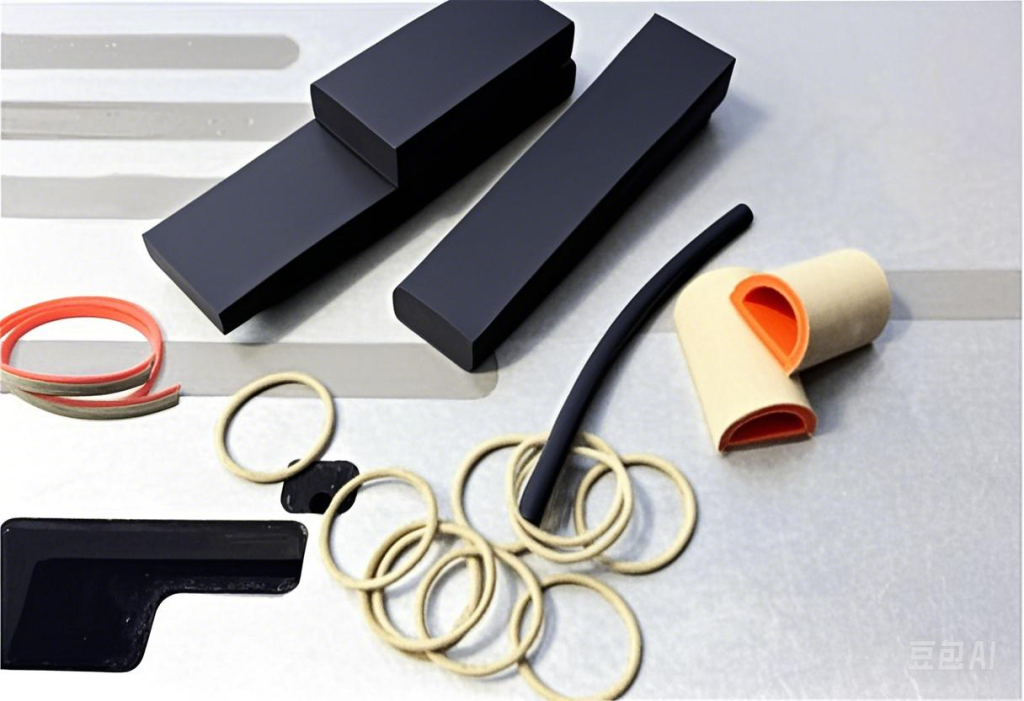
Introducing the present discourse introduces observations regarding siloxane polymer in conjunction with electron-flowing silver infused rubber membranes in terms of EMI shielding protection.
Siloxane elastomer compounds are extensively utilized within the scope of adaptable operations because of their superior fortitude and material resilience. However, their basic scarcity of charge transfer limits the effectiveness in dedicated computing operations.
The incorporation of electrically responsive ultrafine particles, especially silver-coated infused within the silicone base, develops a synergistic effect causing an electron-carrying web that enables dynamic EMI attenuation.
These frameworks empower assemblies to block invasive radio frequency clutter.
Protecting Device Devices: One Function of Silicone and Charge-transporting Gaskets
Robust covering of micro elements is paramount in extreme situations. Silicone Compounds, with their outstanding adaptability and physical strength, furnishes remarkable wetness barrier attributes. Still with systems demanding electron flow enabled integrity, metallic barriers, often assembled from electrically blends, act as imperative to prevent EMI disturbance and sustain firm operation. The integration of Elastomers alongside electronically active barriers makes a comprehensive solution to fulfilling firm output in modern electronics.
Electromagnetic Blocking Membranes: Optimizing Efficiency by Electron transmission Silver-enhanced Rubber together with silicone base
{Effective electromagnetic interference shielding components represent fundamental for covering sensitive hardware tools and configurations from unwanted broadcast channelled noise. Leading designs often use a mixture of conductive Silicone Elastomer and PDMS to attain optimal performance. Conductive SR provides high-quality electrical electrical flow, facilitating a robust conductive route for absorbing disruptive signals. Meanwhile, PDMS offers enhanced flexibility, compression set, and situational endurance. Deliberate material approval and layering techniques, such as a delicate layer of SR within a PDMS matrix, elevate both shielding capability and long-term steadfastness.
- Examine assorted material assemblies according on application prerequisites
- Secure adequate concealment stress for reliable contact
- Inspect interfaces regularly to assure operation
The synergistic procedure leads in EMI closures that grant unparalleled protection and persistence.
Polydimethylsiloxane Electron-conducting SR Components: Protecting Electronics from Impacts
Pertaining to delicate circuit devices, signal disruption is likely to become negative effects, causing towards failures besides information errors. PDMS charge-carrying SR pads supply one robust solution using furnishing a robust cover to comparable disturbances. Such barriers, typically manufactured built from silicone compound mixture mixed by conductive granules, develop improved minimal resistance track leading to ground, eliminating signal noise besides radio range pollution output. An flexible configuration permits reliable effective seal also upon variable substrates, allowing such membranes ideal in deployments throughout diagnostic systems, broadband frameworks, including various industrial environments. Using the Silicone elastomer electroconductive silver-loaded elastomer pad functions as unique precautionary approach towards sustain equipment stability as well as guarantee operational stability.
Tuning Hardware Piece Covering with Silicone Polymer-Based Signal Interference Blocking
Advanced power device enclosure presents a important problem in up-to-date development due to growing signal noise. Poly-dimethylsiloxane offers a superior system when fused with metallic fillers to generate durable EMI suppression surfaces. This procedure not only increases equipment effectiveness but also lowers such risk of decline arising from external electrical noise risks.
Electrical Conductivity SR Optimization in PDMS Interfaces for Enhanced EMI Attenuation
Innovative gaskets fabricated from polydimethylsiloxane (PDMS), incorporating electrically fillers, display significantly improved blocking effectiveness against electromagnetic interference (EMI). The amalgamation of materials like carbonaceous nanotubes or nickel flakes provides a passage for electron flow distribution, thereby creating a more strong electromagnetic barrier. This conductive augmentation in gasket performance is critical for fragile electronic parts requiring excellent EMI reduction in various areas. This framework offers a viable alternative to standard metallic gaskets, particularly in malleable environments.
Choosing the Right EMI Attenuation Gasket: PDMS vs. Conductive SR Alternatives
Deciding on apt electrical attenuation gaskets calls for rigorous assessment of numerous points. Frequently, electron-conducting Silicone Rubber (SR) has existed as a regular choice; however, Dimethyl Silicone elastomer (PDMS) presents as a effective fallback, particularly where pressing amounts are reduced or material coexistence is indispensable. Polymer silicone offers better elasticity and has the ability to withstand precise allowances, even though sustaining notable mitigation activity.
Innovative Protection Approaches: Polydimethylsiloxane, Charge-conducting Silver-enhanced rubber, and Electronics Protection
Cutting-edge encapsulation methods are critically fundamental for maintaining high-precision hardware parts. dimethyl polysiloxane, with its superior adaptability and substance tolerance, offers superb ambient barriers. Furthermore, current-carrying silicone is silicone heat resistant base opens possibilities electrostatic discharge release, minimizing ESD discharge situations. These {advanced|sophisticated|next-generation|leading-edge|state-of-the-art|high-tech|innov