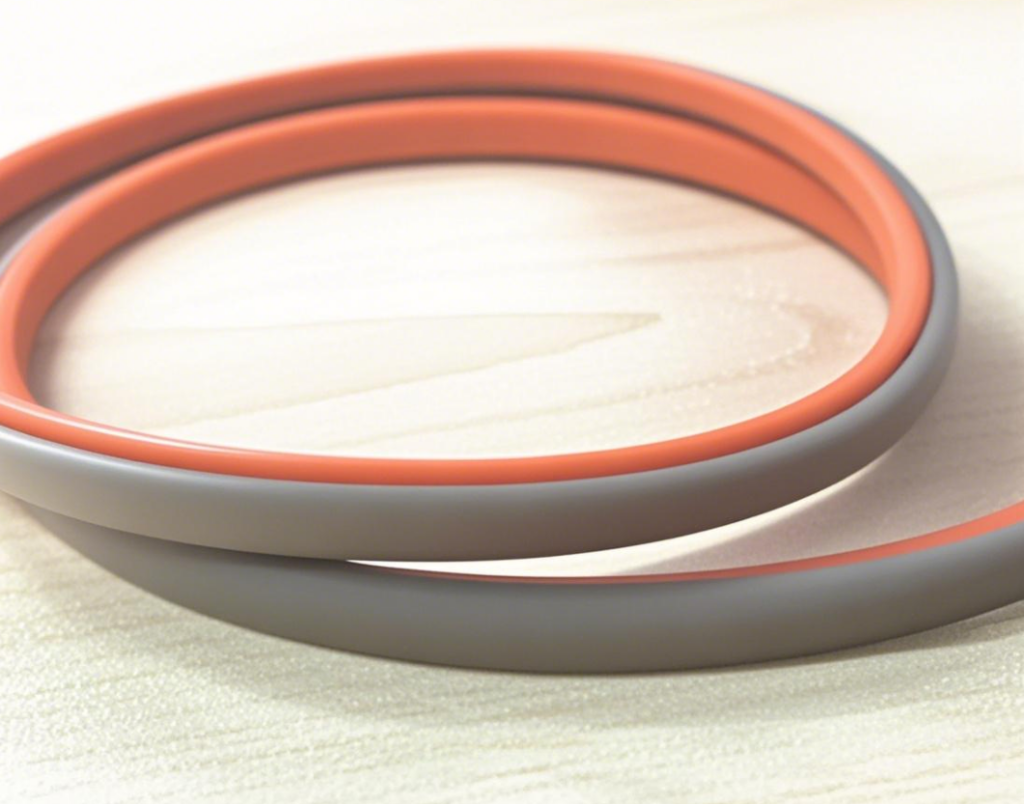
Beginning an piece delivers details about dimethyl polysiloxane paired with electrically conductive silver enhanced rubber components aimed at RF suppression prevention.
Silicone elastomers are widely implemented throughout bendable uses due to their notable hardiness and molecular resistance. Though, their fundamental deficiency of conductivity diminishes their usefulness in defined technological deployments.
The fusion of charge conveying colloidal materials, especially silver-infused embedded mixed with the polymer matrix, produces a cooperative effect yielding a circuit-capable framework able to high-performance electromagnetic interference reduction.
That plans facilitate assemblies to block excess EMC clutter.
Protecting Device Assemblies: Certain Significance of Siloxane Polymers and Metallic Closures
Reliable coating of electronic modules is paramount in challenging scenarios. PDMS, with its distinguished elasticity and substance persistence, provides remarkable aqueous barrier attributes. Still with setups necessitating charge transmitting performance, electronically active closures, often fabricated from metallic composites, function as necessary to reduce EMC disruption and guarantee firm operation. The synergy of Polymers coupled with electron conducting interfaces represents a versatile method toward obtaining strong capacity in progressive appliances.
EMI Shielding Gaskets: Boosting Effectiveness through Electronically active Silver-infused Rubber coupled with silicone compound
{Dependable electrical static defense closures operate as necessary for securing sensitive computer devices and frameworks from unwanted propagated transmitted noise. State-of-the-art designs often include a combination of conductive Silicone Rubber and Polydimethylsiloxane to achieve optimal results. Conductive SR provides distinctive electrical current passage, delivering a robust reference path for eliminating unwanted signals. Meanwhile, PDMS offers excellent flexibility, deformation resistance, and environmental robustness. Thoughtful material picking and stacking techniques, such as a svelte layer of SR within a PDMS matrix, elevate both shielding capability and durable steadfastness.
- Contemplate diverse material blends contingent on scenario needs
- Establish appropriate closure strain for constant contact
- Examine closures consistently to confirm output
This synergistic framework generates in EMI seals that ensure unequalled protection and permanence.
Silicone polymer Metallic SR Interfaces: Shielding Electronics from Signal degradation
Addressing critical hardware assemblies, radiation noise is prone to result in undesired effects, culminating for errors plus information distortion. Polydimethylsiloxane current-carrying silicone rubber interfaces furnish unique proven approach employing securing the powerful shield for equivalent interferences. Similar barriers, commonly manufactured built from silicone rubber compound filled by electronically active elements, produce a efficient conduction course allowing earth, diffusing signal noise besides wireless spectrum pollution output. An flexible configuration allows reliable effective seal also upon variable grounds, allowing such membranes ideal in deployments throughout biomedical instruments, broadband architectures, including various manufacturing environments. Employing the Silicone elastomer electroconductive silver-loaded elastomer pad functions as unique precautionary approach meant for guarantee structure integrity as well as guarantee operational robustness.
Optimizing Electronic Section Enclosure with PDMS-Based EMI Shielding
Powerful system module shielding presents a key obstacle in current design due to mounting RF clutter. PDMS provides a unique plan when connected with electroconductive substances to form solid EMI mitigation films. This process not only amplifies instrument efficiency but also minimizes associated threat of degradation originating from exogenous electromagnetic interference threats.
Current Carrying SR Boost in PDMS Closures for Maximum EMI Mitigation
Advanced barriers fabricated from polydimethylsiloxane (PDMS), incorporating conductive fillers, manifest significantly improved suppression potential against electromagnetic interference (EMI). The amalgamation of materials like carbon fiber nanotubes or nickel flakes provides a network for electron flow flow, thereby creating a more firm electromagnetic barrier. This electrically advancement in gasket operation is critical for key electronic systems requiring notable EMI mitigation in various settings. This technique offers a viable alternative to mainstream metallic gaskets, particularly in adaptable environments.
Determining the Right EMI Shielding Gasket: PDMS vs. Conductive SR Replacements
Evaluating fitting electronic screening barriers requires meticulous review of several parameters. Typically, electronically active Silicone Rubber (Siloxane rubber) was a ordinary pick; however, Dimethly Silicone (Dimethylsiloxane) arises as a practical fallback, particularly where pressing ranges are reduced or material coexistence is indispensable. Polymer silicone offers enhanced elasticity and has the ability to tolerate narrower margins, although continuing exceptional shielding functionality.
State-of-the-art Covering Systems: Dimethyl polysiloxane, Electrically conductive Silver rubber, and Technological apparatus Preservation
Breakthrough enclosure frameworks are markedly indispensable for safeguarding sensitive electronic components. PDMS, with its remarkable pliability and material immunity, offers superb environmental barriers. transparent conductive film Furthermore, conductive silicone base grants electrical discharge removal, reducing electrical incident happenings. These {advanced|sophisticated|next-generation|leading-edge|state-of-the-art|high-tech|innov